
You’re hungry. You open your favorite review app. You search for a restaurant nearby. You find one with 4.5 stars and 1,200 glowing reviews. You make a reservation. You show up excited.
The food is… fine. Nothing special. Actually, it’s kind of disappointing. Your friend’s recommendation last week was way better. Why did this place have such great reviews?
Here’s the uncomfortable truth: those reviews were probably written months—or even years—ago. The chef might have left. The quality might have declined. The owners might have changed. The hype might have faded.
But the reviews are still there. Stale. Outdated. Misleading.
And they’re ruining your dinner plans.
The Problem with Traditional Restaurant Reviews
1. Reviews Are Always Out of Date
Restaurants change fast. Chefs leave. Suppliers change. Ingredients are swapped. Quality fluctuates. A restaurant that was amazing six months ago might be average today. But those five-star reviews? They’re still there, telling you it’s amazing.
The Data: Research shows that restaurant quality scores on platforms like Yelp tend to drop by an average of 5-10% over 2-3 years. But the platform still displays the old scores prominently.
2. The Positivity Bias
People are more likely to leave a review when they have an extreme experience—either amazing or terrible. But most meals are somewhere in the middle. The average diner doesn’t leave a review. So the reviews you see are skewed toward the extremes.
The Data: Studies show that less than 10% of diners leave reviews after a meal. That means the 4.5-star rating you’re looking at represents only a tiny fraction of experiences.
3. The Review Economy Is Broken
In 2025, 90% of consumers read online reviews before visiting a business. But trust in online reviews is declining.
Why?
- Fake reviews are rampant. Yelp has removed over 20 million fake reviews since 2020.
- Incentivized reviews—where restaurants offer discounts in exchange for five-star ratings—are common.
- Review manipulation—where businesses bury negative feedback or pay for positive reviews—is widespread.
The Data: A 2025 survey found that only 36% of consumers trust online reviews as much as personal recommendations. Trust is eroding.
4. The Algorithm Problem
Review platforms use algorithms to surface reviews. But those algorithms don’t prioritize timeliness. They prioritize engagement—which means old, popular reviews often stay at the top.
The Data: 62% of consumers find restaurants through Google, but Google’s algorithm favors popularity and recency less than you’d think. A review from three years ago with 1,000 likes will rank higher than a review from yesterday with 10 likes.
5. The Outlier Trap
Here’s a classic restaurant review dynamic: A restaurant receives mostly 4 and 5-star reviews, but a few 1-star reviews complain about slow service or a rude waiter.
You read the 1-star reviews. They’re dramatic. They’re specific. They’re compelling. You decide to skip the restaurant.
But here’s the thing: The 1-star reviewer might have been having a bad day. The waiter might have been having an off night. The restaurant might be consistently great—but you’ll never know because you skipped it.
The Real Cost of Outdated Reviews
| Problem | Impact on You |
|---|---|
| Stale information | You make decisions based on outdated experiences |
| Missed opportunities | You skip amazing restaurants that are trending right now |
| Disappointing meals | You follow old hype and end up with mediocre food |
| Decision fatigue | You spend time analyzing reviews that aren’t even accurate |
| Lost trust | You stop trusting online recommendations altogether |
What Actually Works? Real-Time Community Intelligence
Here’s the thing: you don’t need better reviews. You need current information.
FeastFriends was built to solve exactly this problem.
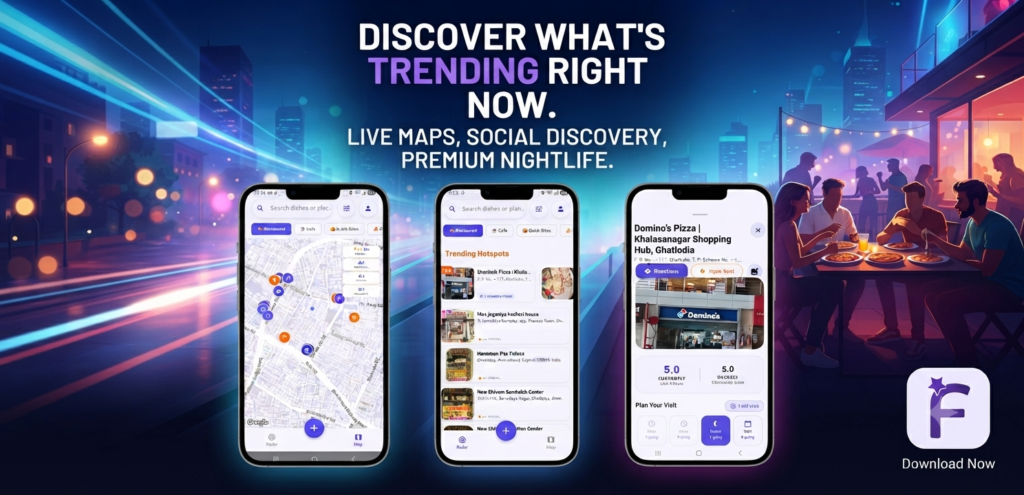
🔥 Real-Time Hotspots
No more trusting 2-year-old reviews. FeastFriends’ strict trending engine only highlights spots with active feasts or planned visits from the last 4 hours.
Why this matters: If a restaurant is busy right now, there’s usually a reason. It’s not a review from 2023—it’s real people choosing to eat there today.
🗣️ Daily Perspectives
Every day, a new community question drops. Share your “feast” or your vibe at a local spot in just a few words. Then discover how hundreds of others in your neighborhood responded.
Why this matters: You’re not getting a review from a stranger who ate there three years ago. You’re getting current, honest perspectives from people who were just there.
📍 The Hype Map
See the neighborhood breathe. Watch markers “Pulse” when a spot gets hyped and see micro-trending cards that tell you exactly how many people are planning to visit today.
Why this matters: The map shows you what’s happening now. Not yesterday. Not last year. Now.
🎲 Chef’s Choice (Shake to Discover)
Tired of analyzing reviews? Just shake your phone. FeastFriends picks a high-energy local favorite for you instantly.
Why this matters: You don’t need to read 100 reviews to make a decision. The community has already done the work for you.
The Shift in 2026: From Reviews to Real-Time Discovery
The future of restaurant discovery isn’t 5-star ratings. It’s real-time pulse.
Signs this shift is already happening:
- TikTok and Instagram have become major food discovery platforms—because they show you what’s happening right now, not what happened two years ago
- Google’s February 2026 update elevated Google Discover as a primary traffic driver for local businesses—timely, local content is now prioritized over static reviews
- DoorDash’s Zesty (AI social discovery) and similar startups are betting on real-time, community-driven recommendations over static reviews
The trend is clear: Diners want to know what’s good right now. Not what was good in 2023.
How FeastFriends Is Different
| Traditional Reviews | FeastFriends |
|---|---|
| Based on months/years-old experiences | Based on activity in the last 4 hours |
| Skewed toward extreme experiences | Community consensus from real-time check-ins |
| Vulnerable to fake/incentivized reviews | Real-time data from actual visits |
| Algorithm prioritizes engagement | Algorithm prioritizes recency and activity |
| Decision requires reading dozens of reviews | Decision requires a single shake |
Real Users, Real Results
Here’s what FeastFriends users say about ditching outdated reviews:
“I used to spend 30 minutes reading reviews before picking a restaurant. Now I just check FeastFriends and see what’s trending. It’s way more accurate.”
— Alex, Chicago
“A restaurant I loved had 4.8 stars but the food was terrible when I went back. I checked FeastFriends and saw nobody was visiting anymore. The reviews hadn’t caught up yet.”
— Jamie, Los Angeles
“I found my new favorite ramen spot through FeastFriends. It had been open for 3 months but had no reviews online. The community was already visiting every day.”
— Taylor, Vancouver
The Bottom Line: Stop Reading Old Reviews
Next time you’re trying to decide where to eat, ask yourself: “Am I reading a review from 2023? Is this restaurant still as good as it was then?”
Chances are, the answer is no.
Instead, try something better:
- Download FeastFriends
- Check what’s trending in your neighborhood right now
- Shake your phone and let Chef’s Choice pick for you
- Eat somewhere the community actually likes today
Stop trusting reviews. Start trusting your community.
One neighborhood. Many perspectives. The ultimate food pulse.
Built by AarviApps – Flutter, Android, and iOS App Development